
The Monetary Authority of Singapore (MAS) on 2 November published Consultation Paper P018-2026, which proposes lower capital charges under its RBC 2 framework for insurers that hold senior securitisation tranches and qualifying infrastructure debt and equity. MAS also set aside S$30 million for a grant to help insurers build infrastructure investment teams in Singapore. In RegMemo’s analysis, the largest reductions are reserved for deals with a Singapore address: a 0% securitisation loading requires a Singapore special purpose vehicle and a MAS-licensed manager, and the cut for rated infrastructure debt requires either a Singapore tax-qualifying bond or a fund with investment staff based in Singapore.
The package announced at the reinsurance conference
Chee Hong Tat, Minister for National Development and Deputy Chairman of MAS, announced the measures at the Singapore International Reinsurance Conference, according to the MAS media release. The grant comes from the Financial Sector Development Fund and took effect the same day. It covers the cost of dedicated investment teams, staff training and professional services for insurers starting or expanding infrastructure investing.
MAS will also recognise more external credit assessment institutions with infrastructure and securitisation expertise under Appendix 4I of MAS Notice 133, and is working with the industry on standard disclosure templates, assessment guidance and fund manager declarations. The work is part of the Growth Capital Workgroup that MAS and the Ministry of Energy, Trade and Industry convened in February.
Securitisation loadings fall for senior tranches
Under the current rules, which took effect on 31 March 2026, an insurer calculates the credit spread charge on a rated securitisation as if it were a corporate bond, then adds a loading. The loading is 50% for debt-based deals and 300% for investment grade non-debt deals, such as those backed by private equity. MAS says the industry told it the 300% figure can be prohibitive.
The proposal splits the categories. For debt-based deals, a senior investment grade tranche that meets the simple, transparent and comparable (STC) criteria in Annex A would carry no loading, and a senior investment grade tranche that does not would carry 25%. MAS adapted those criteria from Annex 7AE of MAS Notice 637, its bank capital rules, and notes that Solvency II in the EU uses a similar test. For non-debt deals, a senior investment grade tranche falls from 300% to 200%. A new “Senior – Category 1” class at 25% applies to tranches rated A or above with a diversified portfolio, cash-generating assets, liquidity buffers and a sponsor with a long track record.
The 0% loading also extends to the two 25% classes, but only if the securitisation is managed by a MAS-licensed fund manager, the special purpose vehicle is domiciled and structured in Singapore, and the deal meets the “STC-like” criteria in Annex B. Using MAS’s own example of an A-rated, 10-year tranche, the charge on a non-debt deal would fall from 58% of market value to about 18% as Category 1, and to 14.5% with the Singapore conditions met.
Infrastructure relief comes with conditions
MAS had kept rated infrastructure debt out of its March changes because default data did not show lower losses than for corporate bonds. It now cites higher recovery rates on some senior infrastructure debt. Qualifying rated infrastructure debt would get credit spread factors 20% below those for corporate bonds, provided it is investment grade and either a Qualifying Debt Security under Singapore income tax rules or held through a fund run by a MAS-licensed manager with at least two qualifying investment professionals in Singapore, one of whom works on that fund. In MAS’s example, an A-rated, 10-year bond falls from a 14.5% charge to 11.6%.
A second tier applies to assets with contracted cash flows. Where at least 75% of revenue comes from availability payments, regulated tariffs or long-term contracts, revenue is not materially exposed to market prices or demand, and at least 75% of contracted revenue comes from Singapore’s government or statutory boards or from investment grade counterparties, the cut rises to 25%. The same A-rated bond would then carry 10.9%. Unrated qualifying debt meeting the test gets a 25% cut subject to a floor at the BBB corporate factor.
For infrastructure equity in these lower-risk assets, the charge would fall from 35% to 30% in developed markets and from 40% to 35% in emerging markets. MAS says it found insufficient evidence that infrastructure equity is as stable as real estate and is not benchmarking it to property, although the 30% developed market figure equals the current property charge.
Insurers carry the due diligence
MAS says insurers must check every condition on an ongoing basis. They may use assessments or declarations from fund managers or consultants, but they keep responsibility for their own due diligence. For STC tranches, Annex A requires quarterly reassessment, risk retention by the originator and a 1% single-obligor limit at the cut-off date. If a condition stops being met, the insurer must drop back to the higher charge from the reporting date on which it knew, or should have known, of the failure.
What to watch
- 18 December 2026: consultation closes; submissions will be published unless respondents ask otherwise.
- Final changes will be written into MAS Notice 133 on valuation and capital for insurers; MAS has not given an effective date.
- Applications from rating agencies seeking recognition for infrastructure and securitisation ratings under Appendix 4I.
- Standard disclosure templates and fund manager declarations for infrastructure assessments, being developed with the industry.
Primary sources
- Monetary Authority of Singapore, Consultation Paper on Capital Treatment for Securitisation and Infrastructure Investments for Insurers (P018-2026), 2 November 2026
- Monetary Authority of Singapore, MAS Announces Measures to Support Insurers’ Investments in Infrastructure and Securitised Assets, 2 November 2026
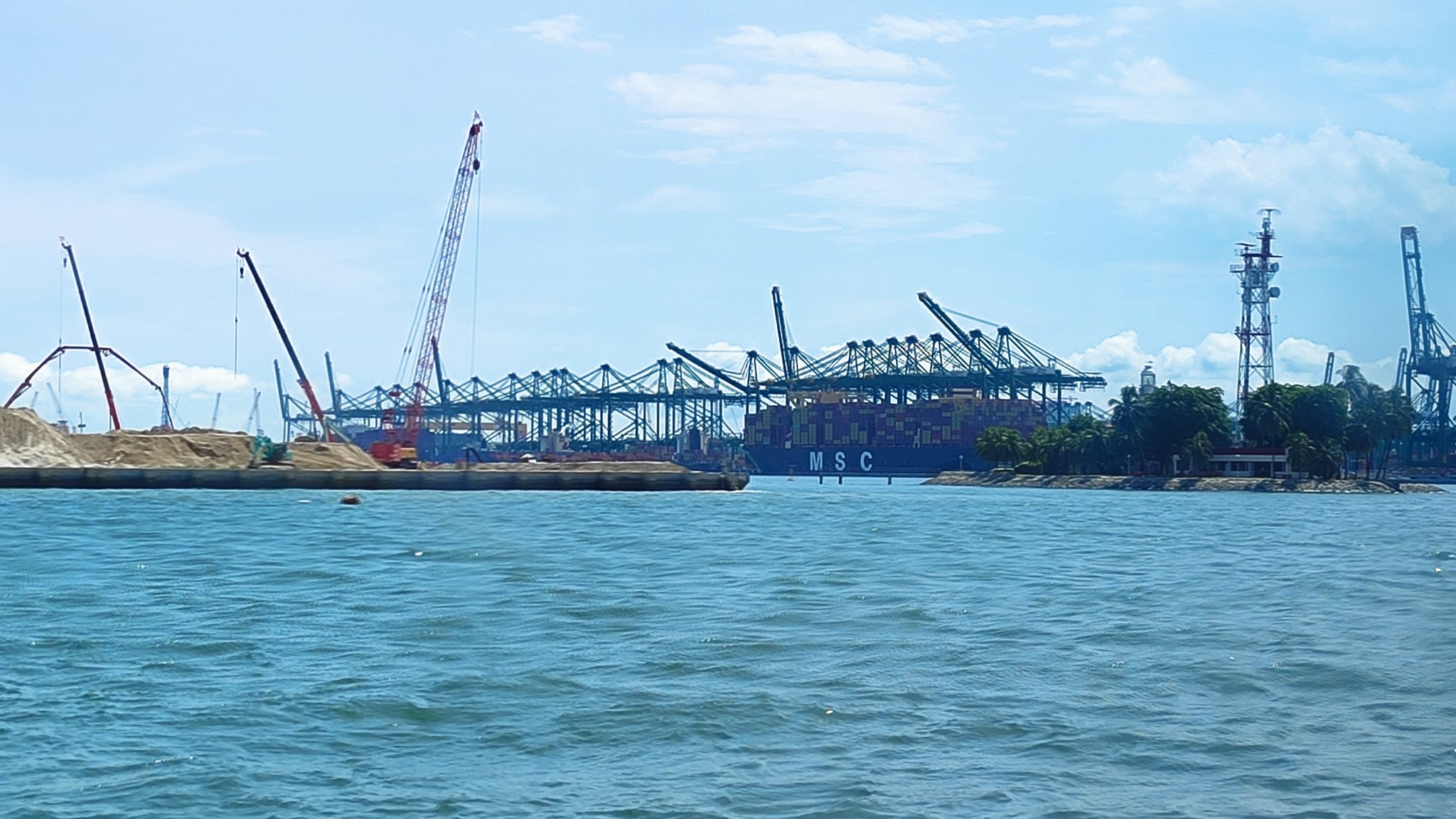
Photo (cropped): ZKang123, CC BY-SA 4.0 via Wikimedia Commons
