
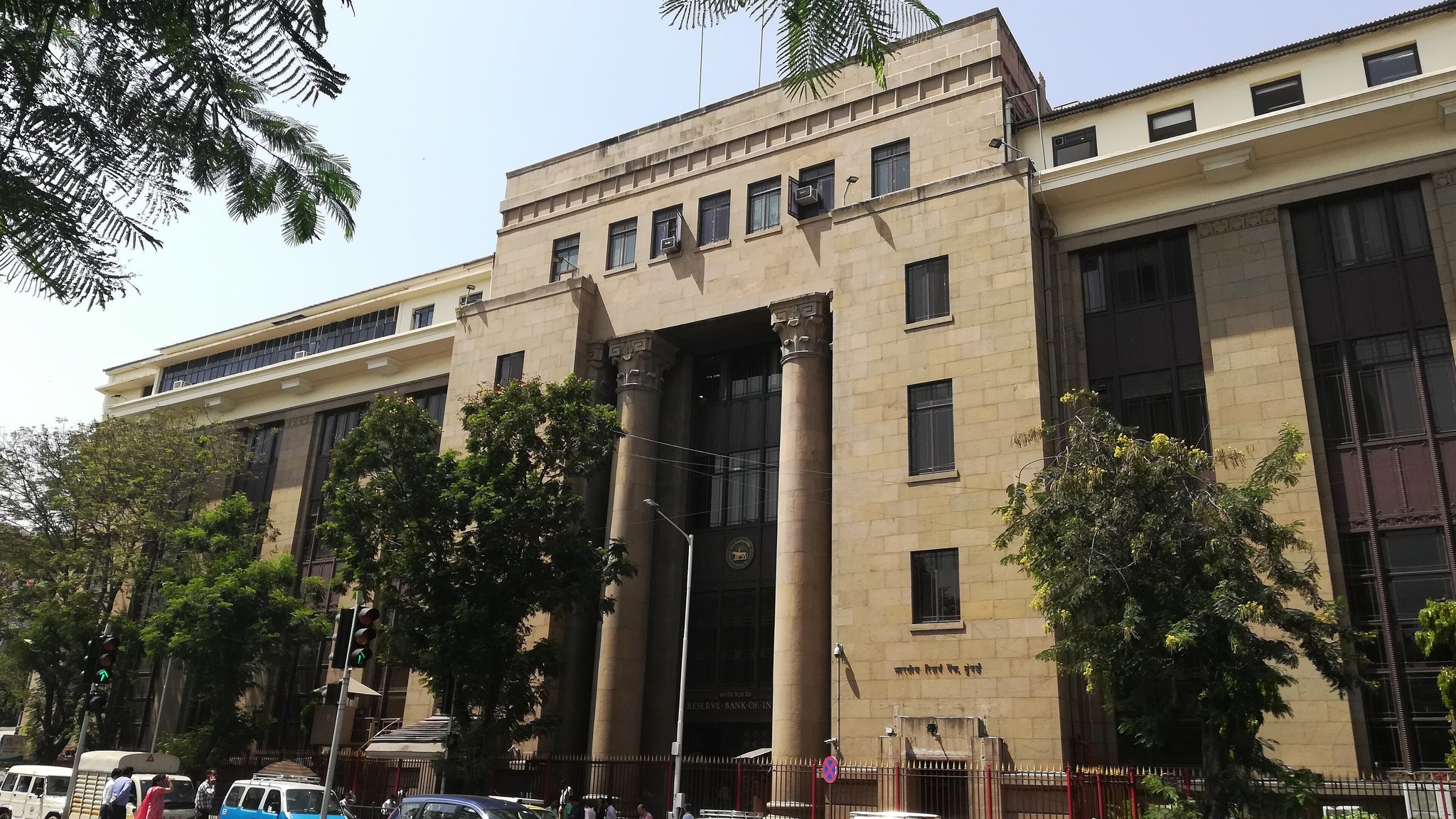
The Reserve Bank of India (RBI) on 11 November 2026 issued the Reserve Bank of India (Domestic Money Transfer) Directions, 2026, which took effect the same day. The directions replace two circulars: the October 2011 relaxations that set the transaction limits for domestic money transfer (DMT), and the July 2024 review that tightened controls on cash-funded transfers. DMT is the framework that lets people without a bank account, many of them migrant workers, send or receive small sums through bank branches, ATMs and business correspondents. The RBI describes the exercise as harmonising and consolidating existing instructions. In RegMemo’s analysis, the choice to restate limits set in 2011 is itself the policy decision: the RBI is keeping cash remittance as a narrow, capped channel for the unbanked and points everyone else to digital account-to-account transfers.
The 2011 limits carry over unchanged
The July 2024 circular stated that all other instructions in the 2011 circular, “including the limits in size of transactions”, would continue to apply. The 2026 directions now write those limits into one text. Under the cash pay-out service, a bank customer can send money from an account for collection in cash by a recipient without an account, at an ATM, through a business correspondent or through another authorised channel, up to ₹10,000 per transaction and ₹25,000 per beneficiary per month. The remitting bank must record the beneficiary’s name and address.
For the cash pay-in service, a walk-in customer at a branch can remit up to ₹50,000 to a beneficiary’s bank account through NEFT. Through business correspondents and ATMs, the cap is ₹5,000 per transaction and ₹25,000 per remitter per month. The monthly cap applies to the person sending cash, so a sender cannot spread larger sums across several recipients through the agent channel.
The RBI has given no reason for leaving the caps where they were fifteen years ago. The July 2024 circular explained the review by pointing to the spread of banking outlets, easier KYC and multiple digital options for funds transfer. Read together, the two documents suggest the RBI sees no case for widening a channel that handles cash from people it cannot fully identify.
The 2024 controls on cash-funded transfers become permanent text
The directions keep every control that the July 2024 review introduced from 1 November 2024. Banks and their business correspondents must register each remitter with a verified mobile number and a self-certified officially valid document under the Know Your Customer Directions, 2025, an updated reference that replaces the 2016 master direction cited in 2024. Each transaction must be validated by an additional factor of authentication.
The payment message rules are the part with the most practical weight. The remitting bank must include the remitter’s details in the IMPS or NEFT message, and the message must carry an identifier marking the transfer as a cash-based remittance. A beneficiary bank can therefore see, inside the payment itself, that an incoming credit started as cash at an agent counter. In RegMemo’s analysis, that gives receiving banks a direct input for their monitoring of mule accounts.
Those safeguards require velocity checks and customer alerts on credits received through DMT. Any unusual spurt in credits to an account or group of accounts must be investigated immediately, and suspicious transactions must be reported to the appropriate authorities. The compliance reference for cash deposits now points to the Income-Tax Act, 2025, which replaces the 1961 Act cited in the 2024 circular.
Settlement, charges and complaints
Inter-bank settlement of DMT funds may use only RBI-approved payment systems, and transfers are expected to be completed in real time or near real time. Banks and non-bank operators may set “reasonable charges” for the service, which the directions tie to the aim of popularising the facility. Complaints fall within the Reserve Bank – Integrated Ombudsman Scheme, 2026.
The applicability clause lists scheduled commercial banks, regional rural banks, urban co-operative banks, state co-operative banks, district central co-operative banks and authorised payment system operators and participants. Card-to-card transfers stay outside the framework and remain governed by the approvals for each card product.
Part of a wider RBI clean-up of payment rules
The DMT directions follow the RBI’s 5 November master direction on cyber resilience for non-bank payment system operators, which also merged older circulars into one text. For banks and business correspondents that implemented the 2024 changes on time, the 2026 directions require no new systems. Compliance teams should still update policy references to the 2025 KYC directions and the 2025 Income-Tax Act, and confirm that agent-channel limits are enforced per remitter and per beneficiary as written. Internal audit can now test the whole DMT process against a single document instead of three.
What to watch
- Directions in force from 11 November 2026; the 2011 and 2024 circulars are repealed
- Bank and business correspondent policy updates to the new KYC and income tax references
- Any RBI review of the ₹10,000, ₹5,000 and ₹25,000 limits, which the directions leave unchanged
- Further RBI consolidated directions for payment system rules issued under the Payment and Settlement Systems Act, 2007
Primary sources
- RBI, Reserve Bank of India (Domestic Money Transfer) Directions, 2026, 11 November 2026
- RBI, Domestic Money Transfer – Review of Framework, 24 July 2024
Related: RBI folds ATM switch and system audit rules into one cyber direction for payment firms
Photo (cropped): Anurag Vijay 03, CC BY-SA 4.0 via Wikimedia Commons
