
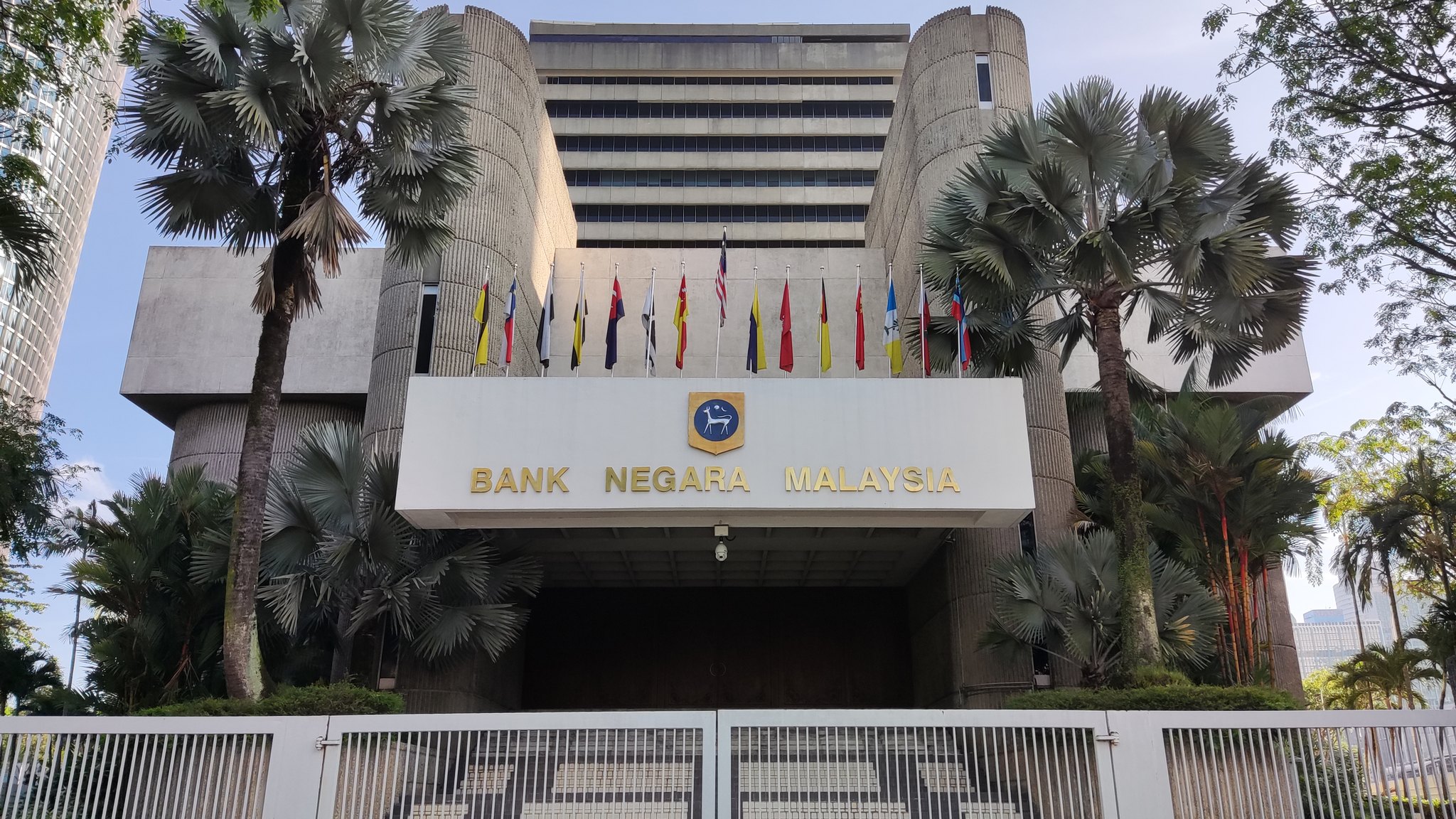
The Hong Kong Monetary Authority and Bank Negara Malaysia have agreed to set up a joint policy workstream to “promote compliant cross-border stablecoin use cases between Hong Kong and Malaysia”, according to an HKMA statement published on 6 October after a high-level meeting in Hong Kong on 2 October. The stablecoin item heads a list of eight areas of cooperation. It is also the one with the most immediate regulatory content, because it requires two central banks with different legal regimes to agree on what a compliant cross-border use case looks like before any firm can offer one.
Hong Kong now has licensed issuers to put into a corridor
Hong Kong licenses stablecoin issuers under the Stablecoins Ordinance (Cap. 656), and the HKMA keeps a public register of licensees under that law. That gives the HKMA a defined population of issuers whose reserve, redemption and disclosure obligations it can describe to a counterpart. The statement does not say whether the workstream covers Hong Kong dollar stablecoins, foreign-currency coins, or both, and it does not mention any Malaysian issuance framework.
The two authorities say they will promote “use cases”, which points toward specific payment flows, such as trade settlement or corporate treasury transfers between the two markets. The most useful output would be a common view on which entities may hold, transfer and redeem a coin across the border, and on how anti-money laundering checks apply at each end. Those are the questions a bank or payment firm needs answered before it can build a product, and a joint workstream lets both central banks answer them once instead of firm by firm.
The plumbing items will take longer and matter more for banks
Three of the agreed areas concern wholesale infrastructure. The HKMA and BNM will work to enhance connectivity between their real-time gross settlement systems, and will explore a central securities depository link between Hong Kong’s Central Moneymarkets Unit (CMU) and RENTAS, Malaysia’s multi-currency RTGS and CSD. They also agreed to jointly promote wider use of local currencies in bilateral trade and investment.
A CMU–RENTAS link would let investors in one market hold and settle the other market’s bonds through their home depository. Combined with RTGS connectivity, it would allow delivery-versus-payment across the two systems, which is a precondition for any meaningful cross-border repo or bond investment in ringgit or Hong Kong dollars. None of this has a date attached, and the statement uses “explore” for the depository link, which places it at the feasibility stage. Linking two depositories involves legal, operational and tax work in both markets, so firms should plan on a multi-year horizon.
This high-level meeting marks an important milestone in deepening collaboration between our two institutions to support financial market development and economic growth.
Eddie Yue, Chief Executive, HKMA, 6 October 2026
Trade data and scam controls round out the agenda
The other agreed areas are more incremental. The two institutions will share knowledge on tokenisation and digital money through policy and regulatory exchange, and on data-driven trade finance tools, including Commercial Data Interchange (CDI) and Cargo X, to widen trade finance access for small firms in both economies. They will also set up mechanisms on cross-border cyber resilience and anti-scam and anti-fraud work, and collaborate on Islamic finance through industry engagement, talent, sustainable finance and cross-border investment.
The anti-scam commitment has the most practical value for consumers. Scam proceeds move between banking systems faster than formal mutual assistance requests can follow them, and a standing mechanism between the two central banks could give banks in both markets a quicker channel for sharing information on suspect accounts.
The Malaysia agreement follows a QR payments deal with Indonesia
The BNM meeting came less than two weeks after the HKMA signed a memorandum of understanding with Bank Indonesia on 24 September on QR code-based cross-border payments. Under that MoU, the two central banks will hold dialogues on technical, operational and regulatory issues and explore arrangements for the interoperability of QR payments between Hong Kong and Indonesia.
Taken together, the two agreements show the HKMA building bilateral payment links with Southeast Asian central banks on two tracks at once: retail QR interoperability with Indonesia, and wholesale settlement, depository and stablecoin work with Malaysia. For banks with regional payment businesses, the Malaysian track is the one with regulatory consequences, because it is where the first cross-border rules for licensed Hong Kong stablecoins are likely to be written.
What to watch
- Terms of reference or first output from the HKMA–BNM stablecoin workstream.
- Any feasibility study or timeline for the CMU–RENTAS depository link.
- Technical arrangements under the HKMA–Bank Indonesia QR payments MoU.
- Additions to the HKMA’s register of licensed stablecoin issuers.
Primary sources
- HKMA, Hong Kong Monetary Authority and Bank Negara Malaysia strengthen bilateral cooperation, 6 October 2026
- HKMA, Hong Kong Monetary Authority and Bank Indonesia strengthen cooperation in cross-border payments, 24 September 2026
Photo: Wee Hong, CC BY-SA 4.0 via Wikimedia Commons
