
The Monetary Authority of Singapore on 12 October confirmed new safeguards for selling financial products at roadshows and in other public places, three and a half years after it consulted on them in April 2023. The final package keeps the measures that change how events are run: selling only in designated areas of commercial premises, a named supervisor on site, and consent from the consumer before a pitch starts. It drops the two proposals that would have changed what can be sold and how, a ban on closing a sale at the first meeting and a ban on mentioning gifts.
Every pitch now starts with a declaration and a yes
Representatives will have to tell consumers at the outset that they intend to market financial products or services and obtain consent before going further. MAS’s response paper rejects the industry argument that company lanyards already make intentions obvious, saying MAS continues to receive complaints that representatives are not forthcoming about who they are and what they want.
Firms do not have to document verbal consent, but they must have ways to check that representatives obtain it, such as oversight by the event supervisor or mystery shopping. Pre-registration for an event can count as consent where the registration makes clear that products will be marketed there.
The same consent rule applies to telemarketing, which MAS defines as voice-only calls to retail customers without a prior appointment. Text messages are out of scope. Consent must be obtained afresh on every call, so a “yes” on one call cannot be banked for the next.
Events move indoors, inside a marked space, with a supervisor
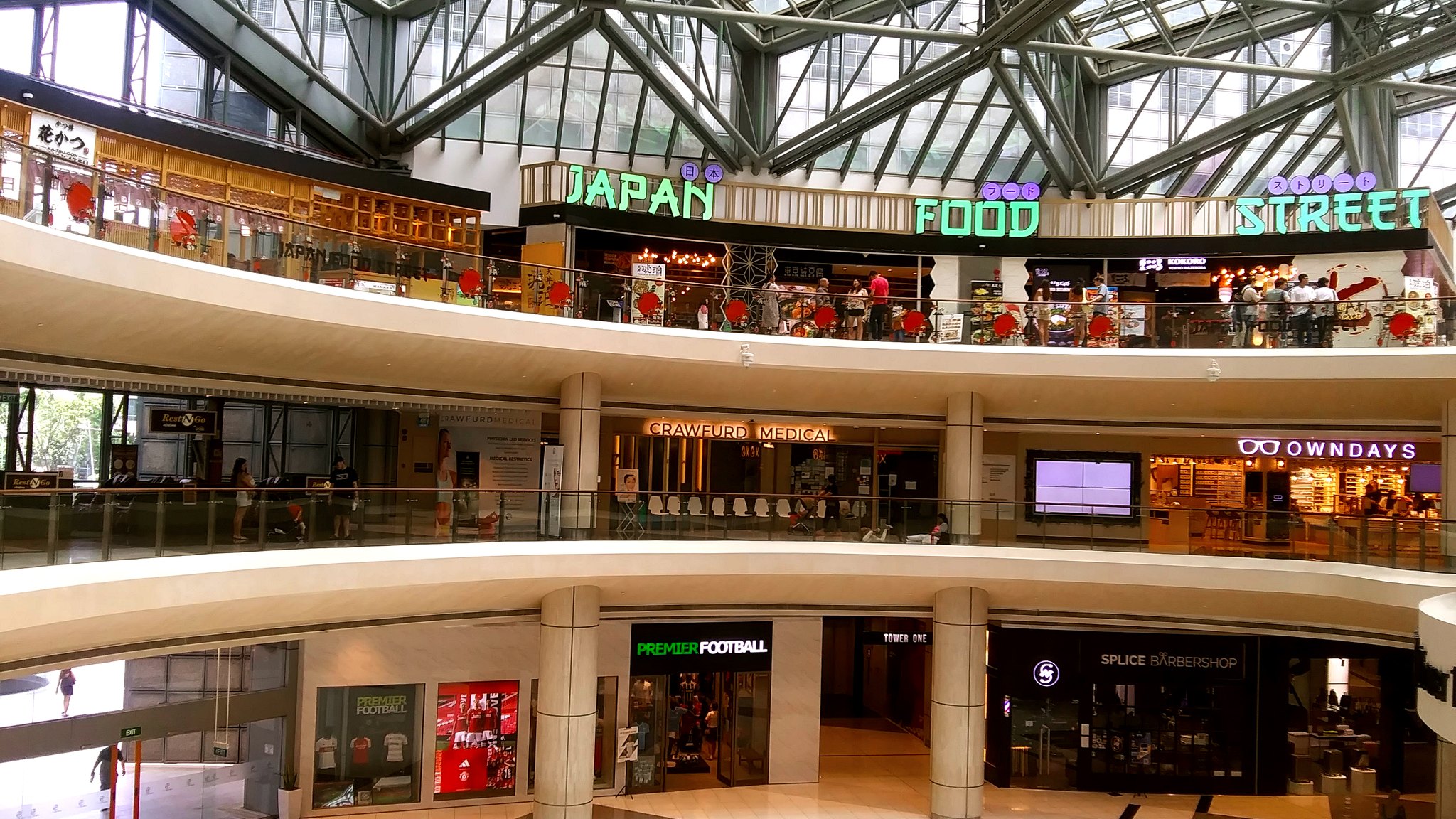
Activities outside a firm’s own premises must take place at commercial premises, within a demarcated event space, and representatives may not prospect beyond a 5-metre radius of that space. Each event needs a designated Public Prospecting Management Officer (PPMO) to oversee representatives, and firms must run a feedback channel for consumers to report problems. MAS accepts that PPMOs cannot be on site every minute and allows digital monitoring to cover gaps.
The definition of “public places” is broad: any location outside the firm’s official premises, including shopping malls, exhibition halls, corporate venues and event spaces, whether the session is a roadshow, a closed-door session or a by-invitation event. Pre-arranged one-to-one appointments are exempt, but MAS warns representatives against booking several prospects at the same place and time and calling it a series of appointments.
The rules reach partners too. Where a bank or insurer sells through a retailer or another non-financial partner at a public venue, the financial institution must make sure the partner follows the Guidelines and, where relevant, the Notices. Firms that deal only with accredited investors are outside the regime, and events held purely for brand awareness, with no prospecting or advice, are exempt.
Consumers should not feel pressured or caught off guard when approached about financial products and services.
Lim Tuang Lee, Assistant Managing Director (Capital Markets), MAS, 12 October 2026
The industry won on decision windows and gifts
MAS had proposed that firms could not close a sale at the first engagement, and that existing cancellation periods be extended. Many respondents opposed both, and MAS agreed that the current 14-day cancellation window for life policies and 7-day period for collective investment schemes are well understood and give buyers enough time to reconsider.
On gifts, MAS had proposed a ban on mentioning gift offers and three options for restricting them. It now relies on existing guidance that gifts must not be used to unduly influence decisions, and will require a senior management-approved governance framework for offering gifts. For investment products and long-term accident and health policies, that framework becomes a legal requirement in new MAS Notices.
The outcome is a split between conduct and product. MAS has tightened the setting in which products are sold and left the sales mechanics, including on-the-spot purchases with a gift attached, largely intact.
Medisave plans can be sold by phone, with call-backs
The response paper also lifts the prohibition in MAS Notice 120 on soliciting and closing sales of Medisave-approved policies, such as Integrated Shield Plans, over the telephone. Call-backs are required for sales to “Selected Clients”, defined as people meeting two of three criteria: aged 62 or older, not proficient in English, or without O or N level qualifications, and for sales by representatives graded B or worse under the balanced scorecard framework for two consecutive quarters. Firms must keep records of those call-backs.
Door-to-door prospecting and street canvassing stay banned. MAS says complaints about both continued after 2022 despite the prohibition.
What to watch
- 2027: MAS issues the updated Guidelines on Standards of Conduct for Marketing and Distribution Activities, followed by a consultation on the new Notices.
- A nine-month transition period runs from the issuance of the updated Guidelines and Notices.
- How firms evidence consent at roadshows and on calls during supervisory reviews.
Primary sources
- MAS, MAS enhances safeguards for public prospecting activities, 12 October 2026
- MAS, Response to feedback received on enhancing safeguards for proper conduct of prospecting activities at public places and telemarketing, 12 October 2026
Photo (cropped): Daniel Case, CC BY-SA 4.0 via Wikimedia Commons
