
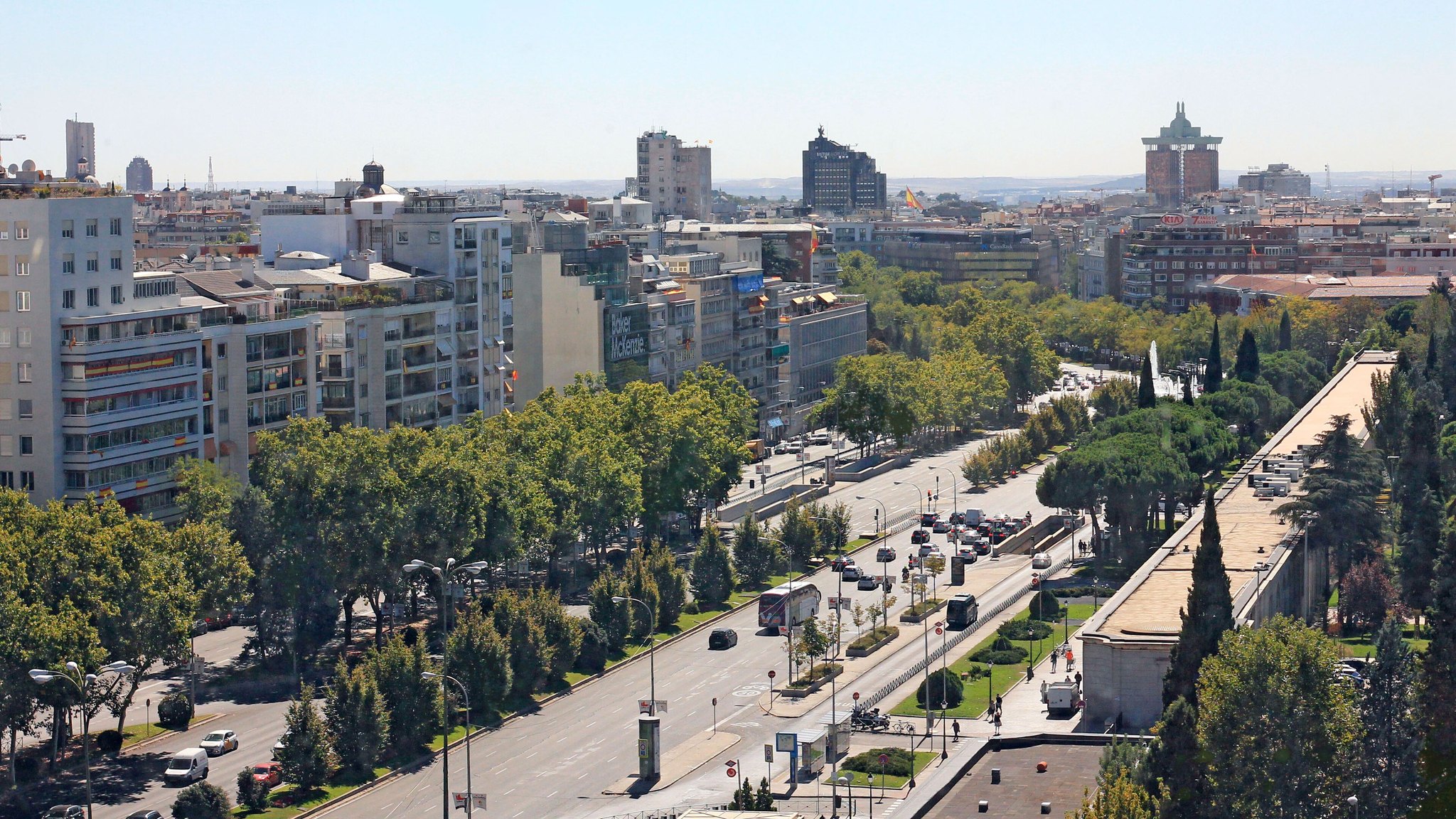
The Board of the International Organization of Securities Commissions (IOSCO) met in Madrid on 11 and 12 November 2026 and announced a new structure for its standing committees, which took effect on 13 November. The Board also discussed its 2027 Work Program and 2027 Risk Outlook, with a focus on artificial intelligence, tokenisation and quantum computing in capital markets, and approved several statements and reports for release in the coming weeks. On 13 November IOSCO presented the results of its first SupTech Sprint, on supervising digital asset markets. In RegMemo’s analysis, the new committee names point IOSCO’s standards work for the 2026 to 2028 term toward conduct in wholesale and retail markets alike, and toward treating derivatives and cash trading together.
Six policy committees with broader remits
IOSCO’s policy work had run through eight numbered committees covering issuer accounting, audit and disclosure; secondary markets; market intermediaries; enforcement and information exchange; investment management; credit rating agencies; derivatives; and retail investors. The new structure names six policy committees:
- Accounting, Disclosure and Auditing, chaired by Koichiro Kuramochi of Japan’s Financial Services Agency (FSA) and vice-chaired by Yu Cai of the China Securities Regulatory Commission (CSRC)
- Derivatives and Secondary Markets, chaired by Martina Tambucci of CONSOB (Italy), with Carol M. McGee of the US Securities and Exchange Commission as vice-chair
- Enforcement and Cooperation, chaired by Eric Jacob of the Autorité des marchés financiers (AMF) Québec
- Financial Education and Retail Conduct, chaired by Ali Sulaiman Aldakheel of Saudi Arabia’s Capital Market Authority
- Investment Management, chaired by Raymond Chan of the Ontario Securities Commission, with Mhairi Jackson of the UK Financial Conduct Authority (FCA) as vice-chair
- Wholesale Market Conduct and Intermediation, chaired by Maria José Gomez Yubero of Spain’s CNMV and vice-chaired by Yasumune Kano of Japan’s FSA
Four other bodies continue under named leaders. The Financial Stability Engagement Group is co-chaired by Marie-Anne Barbat-Layani of AMF France and Nikhil Rathi of the FCA. The Assessment Committee is chaired by Laurent van Burik of Luxembourg’s CSSF, the Committee on Emerging Risks by Igor Kozhanov of the SEC, and the Screening Group by Dominik Leimgruber of FINMA.
Two changes stand out from the names alone. Derivatives now share a committee with secondary markets, which puts equity, bond and derivatives trading rules under one group. Retail investor work now covers retail conduct as well as financial education. The list of policy committees also has no stand-alone committee for credit rating agencies, a topic that had its own numbered committee in the old structure. IOSCO’s release does not say where that work now sits.
Asia holds the disclosure agenda
Japan’s FSA chairs the Accounting, Disclosure and Auditing committee and holds the vice-chair of the wholesale conduct committee, and the CSRC is vice-chair of the disclosure committee. No other Asia-Pacific regulator appears among the chairs or vice-chairs named in the release. The disclosure committee will carry the Board’s newest audit topic: Board members discussed developments in the audit and accounting sector, with particular reference to private equity investments in audit firms, and exchanged views with Erkki Liikanen, Chair of the Trustees of the IFRS Foundation.
The appointment gives the FSA a direct hand in global disclosure and audit standards while its own Financial System Council runs a Working Group on Corporate Disclosure, which held its seventh meeting on 11 November. For listed companies and audit firms in Japan and mainland China, the practical effect is that their home regulators will help write the international positions they later implement.
Fraud against intermediaries moves up the list
The Board examined vulnerabilities facing market intermediaries from increasingly sophisticated fraudulent schemes. That work fits the new wholesale conduct and intermediation committee, where the FSA holds the vice-chair. Brokers and dealers should expect IOSCO output on fraud controls to arrive as part of conduct standards for intermediaries, which national regulators then assess against their own rules.
A SupTech sprint aimed at crypto surveillance
IOSCO’s 13 November release on the SupTech Sprint says the exercise drew policy specialists, supervisors and technical experts from 56 member jurisdictions. The first phase ran in Zurich and the second was launched in Mumbai. Between September and November 2026, two teams drawn from 28 jurisdictions built tools for two problems: market surveillance across fragmented exchange and blockchain data, and AML/CFT risk assessment where transactions pass through many intermediaries and pseudonymous addresses. IOSCO says the solutions are expected to support supervisory work across jurisdictions. The SupTech Forum is chaired by Marlene Amstad, Chair of FINMA’s Board of Directors.
Crypto trading platforms should treat the sprint as notice that supervisors in several markets are building shared methods to join on-chain data with venue data. In RegMemo’s analysis, that will make cross-venue surveillance requests more frequent and more specific.
What to watch
- Statements and reports approved by the Board, which IOSCO says will be released in the coming weeks
- Publication of the 2027 Work Program and the 2027 Risk Outlook discussed at the Madrid meeting
- First mandates from the six new policy committees, whose chairs serve the 2026 to 2028 term
- Any IOSCO statement on where credit rating agency work sits in the new structure
Primary sources
- IOSCO, IOSCO Board announces new structure for standing committees and discusses strategic Work Program for 2027, 12 November 2026
- IOSCO, IOSCO SupTech Sprint regarding the Supervision of Digital Assets Markets, 13 November 2026
- IOSCO, Committees, accessed 13 November 2026
Photo (cropped): Luis García (Zaqarbal), CC BY-SA 4.0 via Wikimedia Commons
