
The Financial Stability Board (FSB) on 11 November 2026 published its peer review of Türkiye, a country review that tests Türkiye against the FSB’s 2023 crypto-asset and global stablecoin recommendations a year after the FSB’s 2025 thematic review found wide gaps across jurisdictions. The review credits Türkiye with bringing most of its crypto market inside the licensing perimeter, but finds there is still no framework for stablecoin issuers and that a recent change to e-money rules could let currency-pegged stablecoins into payments before the central bank has written the rules for them. In RegMemo’s analysis, the report is most useful outside Türkiye as a checklist: it shows what the FSB expects of an emerging market where retail users hold dollar stablecoins as a hedge against their own currency, which describes several markets in Asia as well.
A large retail market, mostly traded offshore
The numbers in the report explain the FSB’s concern. Türkiye handled nearly USD 200 billion of crypto-asset transactions in 2025, according to Chainalysis data cited by the FSB, and authorities report more than 7.1 million crypto-asset accounts, although only 51 percent hold a positive balance. Official data from the central registry, KVMKS, show about USD 3 billion of holdings with Turkish service providers in 2026, around 0.3 percent of banking sector assets.
Most of the activity sits beyond that registry. Supervisory data give BTC Turk a 29 percent share of trading, with Midas and Binance TR at 19 percent each. Blockchain data for the first quarter of 2026 tell a different story: Binance Global holds about 70 percent of the market and BTC Turk 18 percent. Users buy dollar stablecoins, mainly USDT, locally and move them to foreign platforms offering margin and derivative products that Turkish exchanges may not sell. The only lira stablecoin issued by a domestic entity, BiLira (TRYB), has a market value of about USD 5.9 million.
Licensing has slowed at the audit stage
The Capital Markets Board (CMB) gained authority over crypto-asset service providers (CASPs) through legal amendments in July 2024, opened a three-month application window in March 2025 and completed its first on-site inspections by October 2025. Authorisation deadlines were extended at the end of March 2026 because of bottlenecks in custody arrangements and IT audits. The review says the number of independent audit firms able to assess CASP systems is limited, and that rules on data and private key localisation raise costs for smaller custodians.
Some safeguards are already detailed. Exchanges must keep at least 95 percent of client assets with an authorised custodian at the daily settlement time, with platform wallets allowed to reach 10 percent during the day. The central bank’s 2021 regulation bars payment and e-money firms from building crypto into their services, and banks remain the only on- and off-ramp. Six banks held preliminary approvals from the Banking Regulation and Supervision Agency (BRSA) by late June 2026, and the CMB had judged three of them suitable for crypto custody.
Bank exposures are where the FSB found the plainest divergence from global standards. The BRSA has decided not to implement the Basel Committee’s crypto-asset standard, SCO60, and relies on a supervisory expectation that banks do not hold crypto-assets or trade them on their own balance sheets, with crypto activity ring-fenced in subsidiaries. The report says expectations for bank-controlled CASPs, including how their holdings appear in consolidated accounts, remain unclear, and it asks the authorities to review that treatment.
Stablecoins fall between capital markets and payments law
Türkiye regulates stablecoins as ordinary crypto-assets under the CASP framework, plus transfer limits of USD 3,000 a day and USD 50,000 a month for crypto-to-crypto transfers. No rules cover issuer status, reserve eligibility or redemption rights. A recent amendment to the Central Bank of the Republic of Türkiye (CBRT) regulation on payment services and e-money allows currency-pegged stablecoins to be treated as equivalent to e-money, which the FSB says creates a possible route into payments while implementing rules are still pending. The report also notes unregulated crypto gateway providers approaching online merchants.
The FSB’s fourth recommendation asks for issuer requirements for fiat-referenced stablecoins covering redemption rights, stabilisation mechanisms and prudential rules, with safeguards against foreign-currency stablecoins in domestic payments. It also wants listing and distribution requirements for foreign-issued dollar stablecoins sold through Turkish CASPs, including reserve transparency and cooperation with the issuer’s home authority.
The comparison with Asia is direct. Hong Kong’s Stablecoins Ordinance, in force since 1 August 2025, licenses issuers of fiat-referenced stablecoins and sets reserve and redemption requirements, which covers the issuer side the FSB says Türkiye lacks. The distribution gap is the harder one to close for any market where dollar stablecoins issued abroad dominate local trading, because the reserves sit with an issuer and a supervisor outside the country.
What to watch
- CBRT implementing regulations for the e-money amendment covering currency-pegged stablecoins, with no date announced.
- Completion of the CMB’s move from interim registration to full CASP licensing, which the FSB wants on a published schedule.
- Any BRSA review of SCO60, which the authorities said could be reconsidered if banks’ permitted crypto activities widen.
- Further FSB country peer reviews that test members against the crypto-asset and stablecoin recommendations.
Primary sources
- FSB, Peer Review of Türkiye (PDF), 11 November 2026
- FSB, FSB recommends Türkiye further strengthens its regulatory framework for crypto-assets and stablecoins, press release 15/2026, 11 November 2026
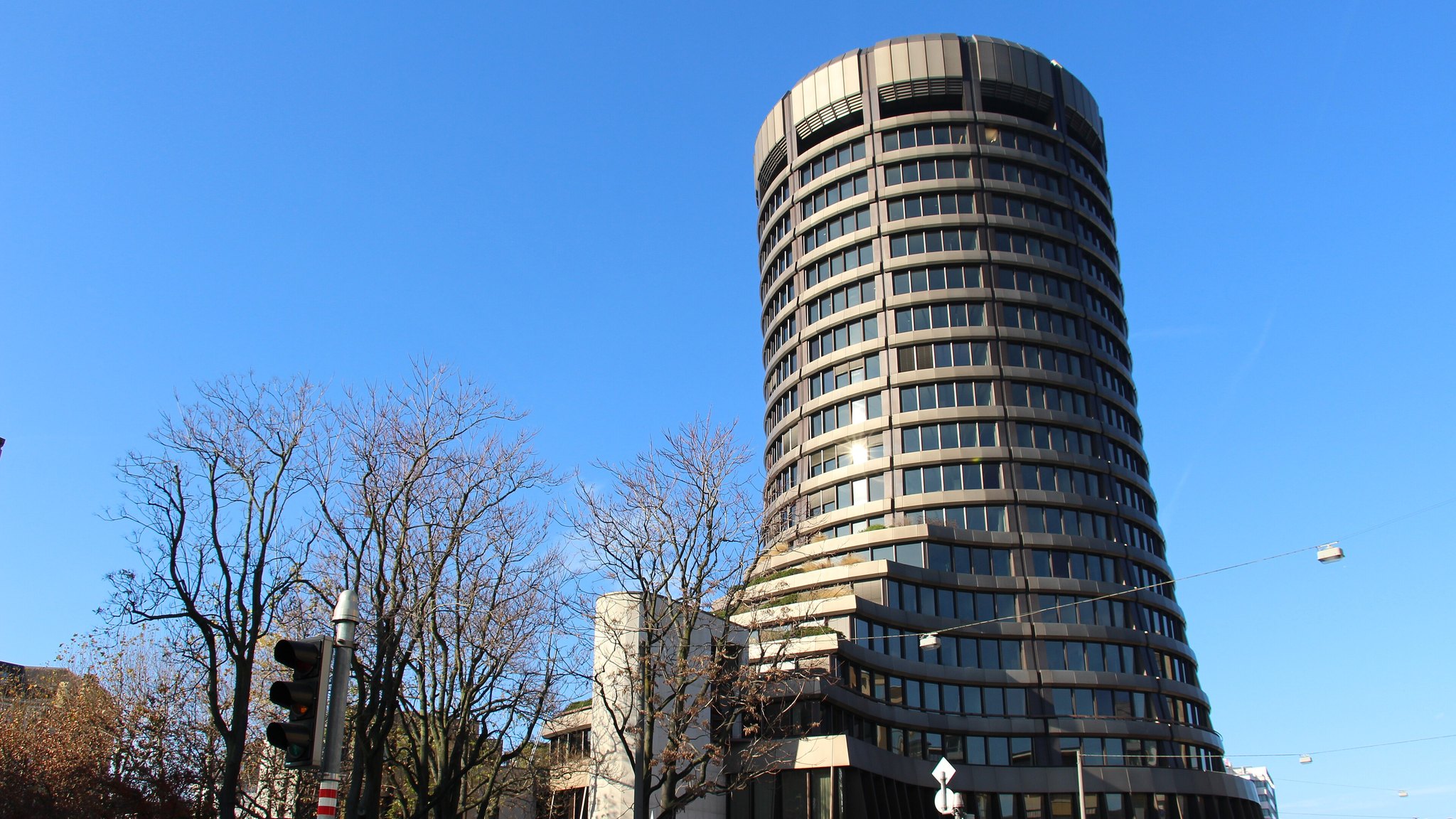
Photo (cropped): Fred Romero from Paris, France, CC BY 2.0 via Wikimedia Commons
