
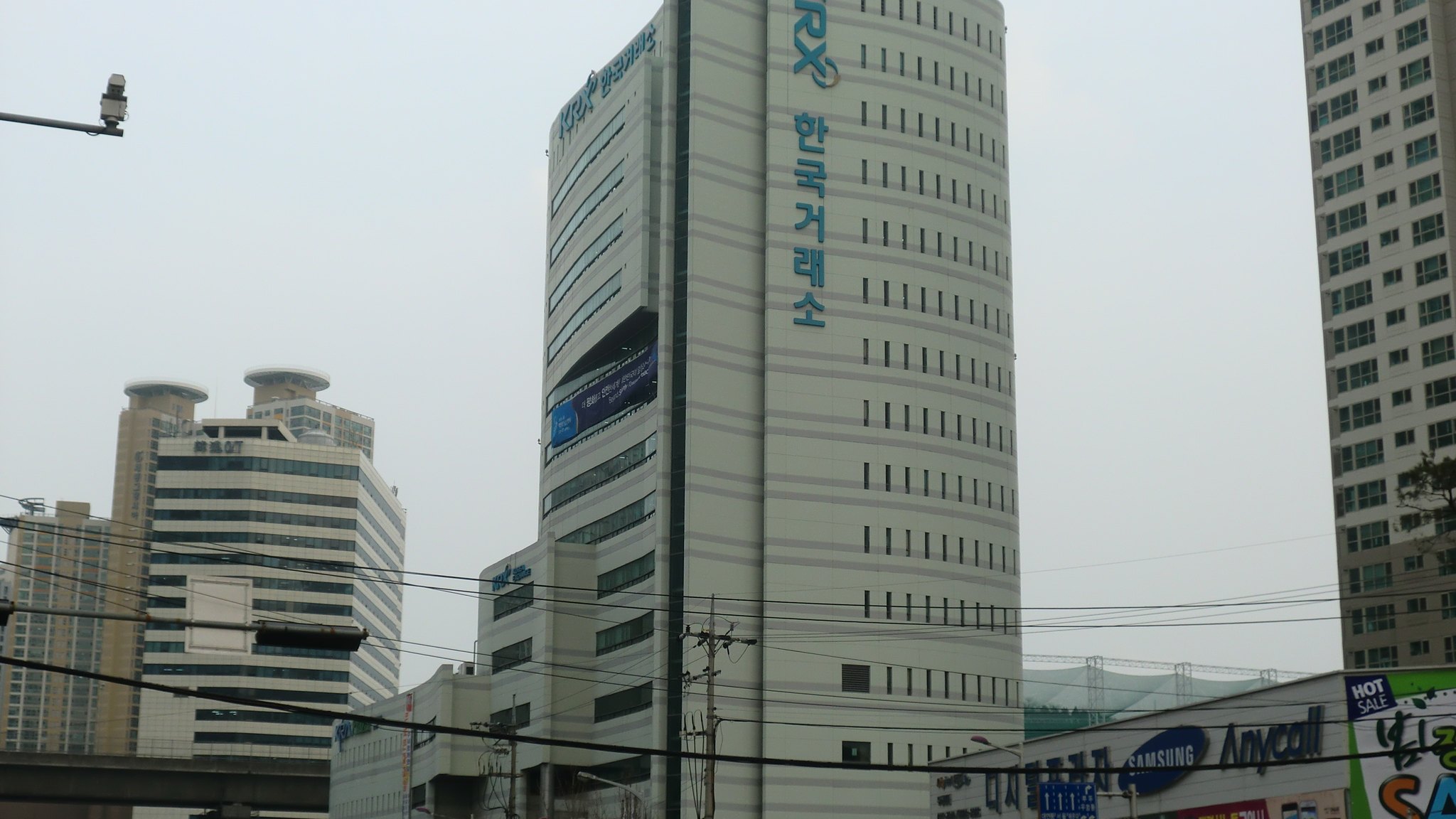
Korea’s financial authorities will exempt securities firms from the requirement to hold collateral worth at least 140 percent of their margin loans for three months from 9 November 2026. Deputy Prime Minister and Minister of Finance and Economy Lee Hyoung Il announced the measure after a market situation review meeting on 6 November with Financial Services Commission (FSC) Chairman Lee Eok-won, Financial Supervisory Service (FSS) Governor Lee Chan-jin and a Bank of Korea deputy governor. The FSC published the same decision in its Korean-language release. The waiver is meant to stop forced liquidations from deepening a sell-off that followed a steep fall in Korean shares on 5 November and a drop in US technology stocks overnight. In RegMemo’s analysis, it moves the decision on when to sell out a borrower’s position from a regulatory floor to each broker’s own risk policy, and brokers will carry the credit losses if they wait too long.
What the 140 percent rule does
Article 4-25(3) of the Regulation on Financial Investment Business requires a securities firm that extends a margin loan (credit financing for stock purchases) to secure collateral of at least 140 percent of the loan and to maintain the collateral ratio set in its internal rules. When the value of the pledged shares falls below that level and the client does not top up, the broker can sell the pledged shares without the client’s consent. The Korean term for these sales is 반대매매, often translated as forced or counter-trading sales, and a wave of them can push prices lower in a falling market.
A 140 percent collateral ratio means the loan can be no more than about 71 percent of the value of the collateral, so the client’s equity must stay above roughly 29 percent. For comparison, FINRA Rule 4210 in the United States sets a maintenance margin of 25 percent of market value for most long equity positions in a margin account. The Korean floor is a little tighter and, in a falling market, it triggers sales sooner.
How the waiver works
Under the 6 November decision, brokers may let collateral ratios fall below 140 percent without breaching the regulation. They are not required to stop margin calls. When the FSC used the same tool in 2022, its July 2022 release said the FSS had issued a no-action letter, and the FSC’s September 2022 follow-up said brokers could set the maintenance ratio flexibly, taking account of the borrower and market conditions. The 2022 waiver ran from 4 July to 30 September and was then extended to 31 December 2022.
The practical effect therefore depends on how each broker uses the room. A firm can keep its internal trigger where it is, lower it for all clients or defer sales for accounts sitting just below the line. A broker that relaxes its trigger takes on more exposure to clients whose collateral keeps falling, and any shortfall after a delayed sale becomes a receivable that the broker has to recover from the client.
Why the authorities acted now
The government release attributes the fall in prices to policy uncertainty around the artificial intelligence industry, including concerns about regulation of AI data centres, together with weaker global investor sentiment after the US midterm elections. Participants said Korean shares were reacting excessively to these external factors and pointed to forecasts of growth in the mid-3 percent range for 2026, exports of US$1 trillion and corporate operating profits above KRW 900 trillion.
The FSC’s Korean release is titled as the activation of “step-by-step response measures”. The meeting agreed to monitor markets and capital flows in real time, to prepare further stabilisation steps if volatility widens and to continue the corporate value-up programme aimed at long-term confidence in Korean equities. No other measure was announced on 6 November, and the release does not name the additional tools under consideration.
What it means for brokers and their clients
The government release says the measure is aimed at “excessive” forced selling. Brokers now have to decide within days whether to change their internal maintenance ratios, how to tell clients and how to document the decision for the FSS. Compliance teams should expect supervisory questions about any client losses that grow during the waiver period, since the waiver removes the regulatory floor while leaving the firm’s own credit risk management obligations in place.
For foreign investors, the measure shows how the authorities respond to sharp falls. In 2022 the FSC paired the same waiver with an easing of the daily cap on buy orders that listed companies can place for their own shares, and the September 2022 release extended both measures together. Firms that run market-making or stock-lending books in Korea should watch for similar companion steps this time.
What to watch
- 9 November 2026: the waiver takes effect for all securities firms
- Brokers’ notices to clients on any change to internal collateral maintenance ratios
- Any further stabilisation measures from the FSC, FSS and Ministry of Finance and Economy if volatility widens
- About 8 February 2027: end of the three-month waiver, with a decision on whether to extend it, as happened in September 2022
Primary sources
- Ministry of Finance and Economy, Market Situation Review Meeting (Nov. 6, 2026), 6 November 2026
- Financial Services Commission, 국내외 주식시장 변동성 확대로 단계별 대응조치 가동 (Korean original), 6 November 2026
- Financial Services Commission, FSC and FSS decide to implement measures to mitigate stock market volatility, 4 July 2022
- Financial Services Commission, 금융시장 합동점검회의 개최 및 증시 변동성 완화조치 연장 (Korean original), 23 September 2022
Photo (cropped): hyolee2, CC BY-SA 3.0 via Wikimedia Commons
